
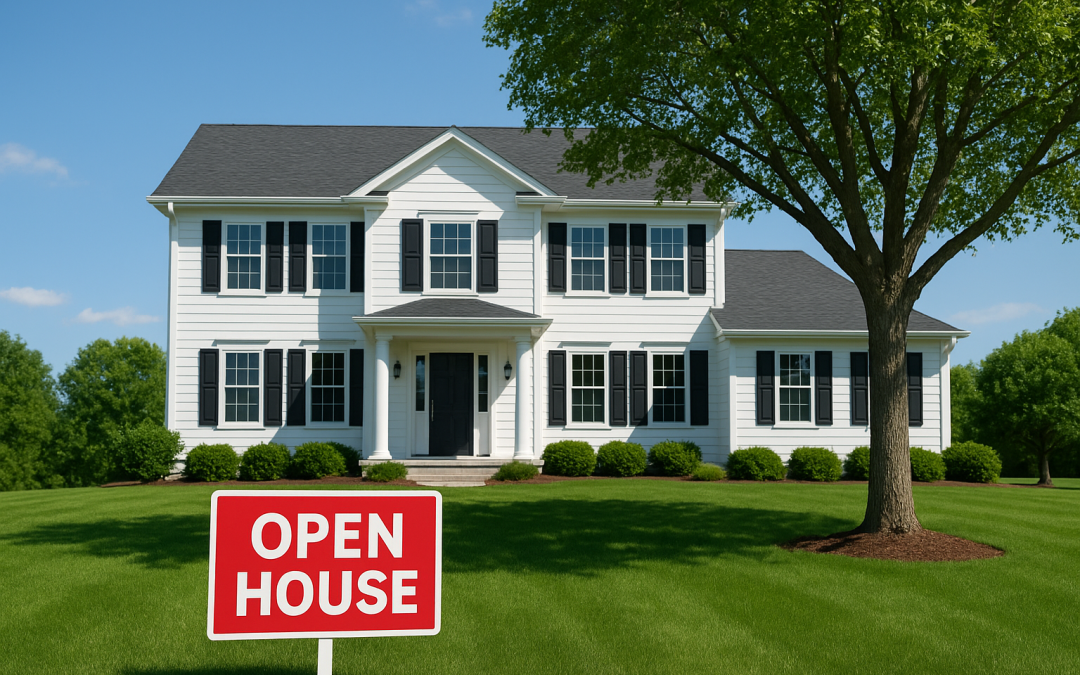
If you’re wondering how to sell your house fast in North Carolina, a well-planned open house can help put your property in front of more potential buyers. For sellers using a flat-fee MLS listing, it is one practical way to increase visibility, create a welcoming first impression, and give buyers time to picture themselves at home.
Use these open house tips for sellers to prepare your home, market the event, and host with confidence.
Choose the Best Open House Time
Weekend open houses usually give buyers the most flexibility, especially Saturday or Sunday afternoons. A two-hour window—such as 1–3 p.m. or 2–4 p.m.—is typically enough time to attract traffic without making the day feel overwhelming.
Before choosing a time:
Check the local weather forecast.
Look at other open houses scheduled nearby.
Avoid major holidays, local events, or severe-weather days when possible.
Choose a time that makes it easy for buyers touring several homes to add yours to their route.
Your MLS listing should clearly include the open house date, start and end time, price, address, photos, and the features buyers care about most.
Protect Valuables Before Buyers Arrive
An open house invites unfamiliar people into your home, so plan ahead for security and privacy.
Before the event, remove or secure:
Jewelry, cash, medications, firearms, and small electronics.
Family heirlooms, collectibles, and sentimental items.
Important mail, financial documents, spare keys, and personal information.
Prescription bottles, travel documents, and anything you would not want photographed.
Also think about fixtures or décor you plan to keep. If you are taking a beloved chandelier, wall-mounted television, or other attached item, let the buyers know it is not included with the house, or consider replacing it before listing. Buyers may assume permanently attached items are included unless the listing clearly says otherwise.
Declutter, Donate, and Deep Clean
One of the most effective home-selling tips is also one of the simplest: make the home feel spacious, clean, and easy to maintain.
Start by donating, selling, packing, or storing anything you will not need before your move. Clear countertops, reduce furniture, and make closets look larger by removing off-season clothing and excess storage items.
Then give the home a true deep clean. A clean home signals that it has been well cared for—an important message for buyers evaluating a property. Buyers often notice the details sellers overlook, including:
Windows, screens, and window sills.
Vents, baseboards, and ceiling corners.
Appliances, inside and out.
Closets, pantries, cabinets, and storage rooms.
Caulk around sinks, tubs, and showers.
Light fixtures, ceiling fans, and burned-out bulbs.
Stove hoods, filters, and backsplash areas.
Doorknobs, cabinet pulls, and light switches.
For more ways to make a strong impression on buyers, read our guide to showing mistakes to avoid when selling your house.
Stage your home to sell
Staged homes sell 86% faster than those that aren’t, according to the Real Estate Staging Association.
Home staging does not have to mean renting all new furniture or hiring a professional. The goal is to help buyers understand how each room functions and to make the home feel bright, open, and move-in ready.
Focus on high-impact areas:
Simplify furniture layouts so rooms feel larger.
Remove overly personal photos, collections, and bold décor.
Let in natural light by opening curtains and blinds.
Add fresh towels, neutral bedding, and a few simple accessories.
Make bedrooms, living areas, and dining spaces feel purposeful.
Organize the garage, attic, basement, and storage spaces.
Don’t overlook curb appeal—learn how to make your home’s exterior more inviting to potential buyers.
Advertise your open house
Your flat-fee MLS listing gives your home exposure where buyers and buyer’s agents search for properties. Make sure your listing is complete before promoting the open house: include quality photos, accurate property details, compelling remarks, and the scheduled event information.
To build additional awareness:
Share the open house on Facebook, Instagram, and neighborhood groups.
Ask friends and family to share the post.
Create a simple event graphic with the address, price, date, time, bedroom/bath count, and one standout photo.
Place an “Open House” sign in your yard if permitted.
Use directional signs only where permitted by local rules, HOA restrictions, and property owner permission.
In North Carolina, private commercial signs generally cannot be placed in state-controlled public rights-of-way, medians, or other state-owned property. Check your local and HOA rules before placing directional signs.
Prepare an Open House Information Sheet
Buyers may not ask every question in person, especially if they are viewing several homes that day. A one-page property flyer gives them something useful to take with them—and helps your home stay top of mind after the tour.
Include:
Listing price and property address.
Bedrooms, bathrooms, square footage, and lot size.
Key upgrades and approximate installation dates.
Utility information, if available.
Your preferred contact information or instructions for submitting questions and offers.
Be ready for common open house questions, including:
How old is the roof?
When were the HVAC system and water heater installed?
What are typical utility costs?
Are there known issues with the basement, foundation, roof, plumbing, or drainage?
What improvements have been made to the home?
What is included in the sale?
Answer honestly. If you do not know an answer, write it down and follow up rather than guessing.
Host Without Hovering
When selling your home without a traditional listing agent, professionalism matters. Dress neatly, greet visitors warmly, and let them know they are welcome to look around at their own pace.
A few simple hosting tips:
Keep the temperature comfortable.
Turn on lights, open blinds, and make the entry inviting.
Put away pet supplies and arrange to have pets elsewhere if possible.
Use disposable shoe covers or ask visitors to remove shoes if floor protection is important.
Keep valuables secured and interior doors accessible.
Avoid trailing buyers from room to room.
Buyers need enough space to talk openly and imagine living in the home. Offer a friendly welcome, point out a few standout features, then give them room to explore.
Final Open House Checklist
Before you open the door, take one last walk-through:
Remove trash and empty kitchen and bathroom bins.
Put away dishes, laundry, toiletries, and pet items.
Turn on lights and fans as needed.
Open blinds and curtains.
Wipe down counters and mirrors.
Check that bathrooms are spotless and stocked with fresh hand towels.
Set out flyers or property information sheets.
Lock away valuables, medications, documents, and spare keys.
Confirm that signs are secure and legally placed.
Leave the home or stay in a low-key, neutral location while buyers tour.
A successful open house will not replace accurate pricing, professional listing photos, or smart marketing. But when paired with a polished MLS listing, it can be a valuable part of your plan to sell your North Carolina home with confidence.
Ready to get your home listed? Compare our flat-fee MLS packages and choose the level of support that works for you.

Kelli A. Meyer, Owner/Licensed Broker
Recent Comments